
PAST THE TRIAL STAGE
Biofuels move from potential fuel to compliance tool
The marine biofuels market is becoming more structured, as buyers weigh near-term emissions reductions against questions over feedstock, certification and fuel quality. Recent developments in Rotterdam, Singapore and the wider European market suggest that FAME blends and bio-LNG are increasingly being treated as practical compliance options, although industry confidence still depends on transparent documentation.
Rotterdam’s changing bunker mix
The Port of Rotterdam reported that total bunker sales were approximately 25% lower in the first quarter of 2026 than in the same period of 2025, with the sharpest falls seen in fossil fuel oil grades. VLSFO was down 44%, HSFO 25% and ULSFO 13%, while fossil distillates also declined. The port linked part of the movement to regulatory shifts and changing demand patterns.
At the same time, Rotterdam has reported clear growth in renewable fuel activity. In February, the port said maritime shipping had bunkered more than 1 million m³ of LNG in Rotterdam in 2025 for the first time, including 17,644 m³ of bio-LNG. That represented more than a sixfold increase from 2,775 m³ in 2024. Biomethanol bunkering also increased, reaching 11,819 tonnes in 2025 compared with 3,946 tonnes the year before.
This does not yet mean that bio-LNG or other renewable fuels are displacing conventional bunkers at scale. However, many observers suggest the figures show that alternative marine fuels are moving beyond isolated demonstrations and into more regular bunker planning, particularly where existing infrastructure can be used.
FAME becomes more specialised
Fatty Acid Methyl Esters (FAME) remain central to the marine biofuel discussion, particularly in blends such as B24 and B30. However, recent market developments indicate that buyers are now paying closer attention to the origin of the bio-component.
In March, Platts launched Rotterdam B30 Biobunker Advanced FAME assessments. These cover marine fuel blends containing 30% Advanced FAME with either very low sulphur fuel oil or marine gasoil. Platts said the launch followed Dutch legislative changes affecting feedstock eligibility under Renewable Energy Directive rules, while noting that UCOME-based biobunkers remain relevant for other regimes, including FuelEU Maritime.
The change matters because it highlights a more complex compliance landscape. A bunker buyer may no longer be able to assess a biofuel blend only by its headline percentage. Feedstock classification, greenhouse gas savings, proof of sustainability and the intended regulatory use are all becoming part of the purchasing decision.
Bio-LNG gains from existing infrastructure
Bio-LNG is also attracting increased attention because it can, in principle, use much of the existing LNG bunkering chain. Recent European activity supports that view.
In February, Bahía de Bizkaia Gas said it had begun offering bio-LNG loading services for tankers and ships at its LNG storage and regasification plant in Bilbao after securing ISCC certification. Separately, Anew Climate and Avenir completed what was described as Europe’s first joint bio-LNG bunkering operation at Klaipėda, using certified waste-based bio-LNG for onward supply to vessels operating in Sweden.
For LNG-fuelled ships, this creates a possible route to lower lifecycle emissions without major changes to onboard systems. The cautious view is that availability, cost and certification remain limiting factors.
Documentation becomes central
The direction of travel is clear. Biofuels are gaining credibility as near-term decarbonisation tools, especially under FuelEU Maritime and related European compliance regimes. Yet the market is also becoming more technical.
For bunker suppliers, this creates an opportunity to provide lower-carbon products with stronger traceability. For buyers, it increases the need for careful contract wording, fuel testing and documentation checks. The next phase of marine biofuel growth is therefore likely to depend less on whether ships can burn these fuels, and more on whether the supply chain can prove exactly what has been delivered.
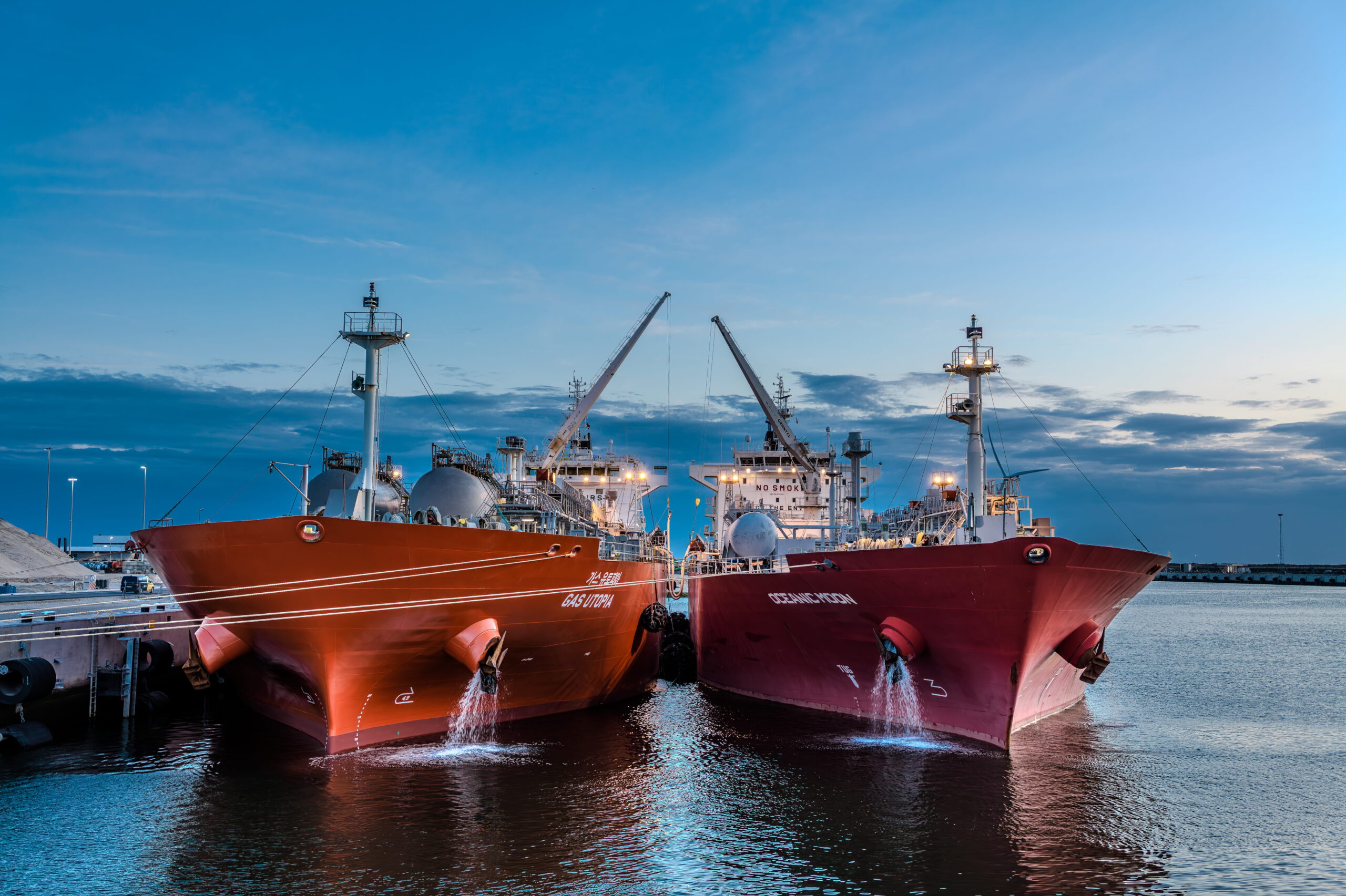
Image Caption: Ammonia bunkering pilot at Rotterdam – credit IJsbreker
20/05/2026
get
in touch

Constructive Media
Constructive Media
Hornbeam Suite
Mamhilad House
Mamhilad Park Estate
Pontypool
NP4 0HZ
Tel: 01495 239 962
Email: ibia@constructivemedia.co.uk

On behalf of:
IBIA London Office
Suite Lu.231
The Light Bulb
1 Filament Walk, Wandsworth
London, SW18 4GQ
United Kingdom
Tel: +44 (0) 20 3397 3850
Fax: +44 (0) 20 3397 3865
Email: ibia@ibia.net
Website: www.ibia.net

Emails
Publisher & Designer: Constructive Media
ibia@constructivemedia.co.uk
Editor: David Hughes
anderimar.news@googlemail.com
Project Manager: Alex Corboude
alex@worldbunkering.net