
LNG “Most Viable Option”
LNG-capable dual-fuel vessels are set to shape the next decade of shipping, says Columbia Group
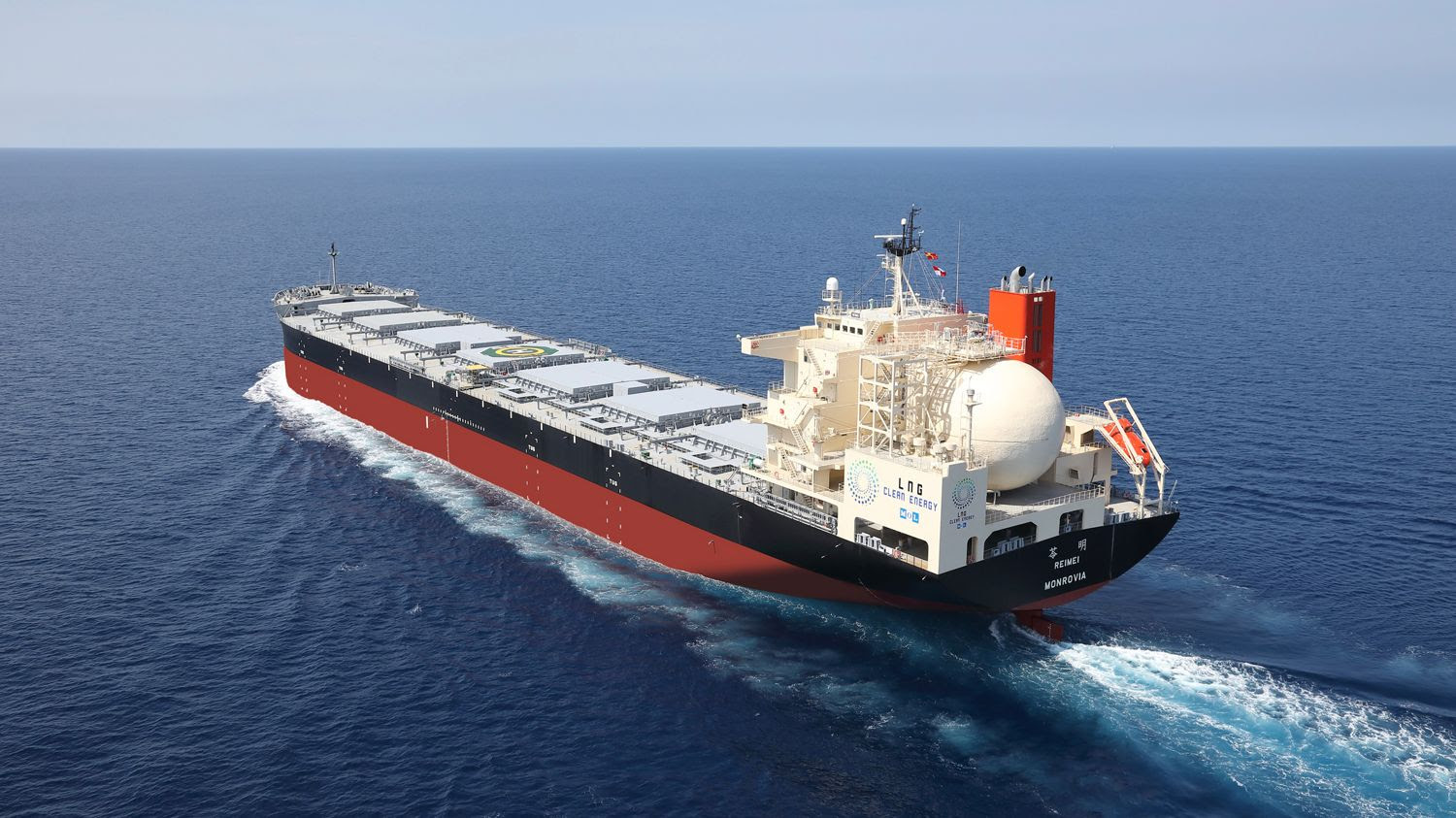
Major Cyprus-based ship manager and services provider Columbia Group predicts that dual-fuel ships will define the next decade of shipping, as the absence of a scalable zero-carbon alternative leaves LNG-powered vessels as the industry’s most viable solution.
A company statement notes: “As we near the end of 2025, dual-fuel ships will have accounted for around half of global new-build orders, with LNG propulsion powering nearly 70% of those vessels. Columbia Group believes this surge reflects the industry’s pragmatic response to tightening regulations and uncertainty over future fuels.”
“Owners and operators face increasing legislation, and LNG in particular has emerged as a bridging technology that allows compliance with today’s standards while providing confidence for the next decade,” says Duncan McLennan, Group Director, Technical at Columbia Shipmanagement. “Dual-fuel designs also give operators flexibility, reducing exposure to regulatory and commercial risks as markets evolve.”
Meanwhile, responding to the decision by IMO to delay discussion of the Net Zero Framework, SEA-LNG, stated that it would use the extra time “to work with our members and other industry organisations to continue to develop meaningful, scientific studies to support the IMO’s critical work”.
It added: “The industry will continue on the road to decarbonisation. The methane pathway is currently the only practical, realistic and scalable solution to the decarbonisation of the global maritime industry, as demonstrated by the rapid growth in the LNG dual-fuel fleet and new build order book. With industry initiatives dramatically reducing levels of methane emissions onboard and in fuel supply chains, the growing availability of biomethane and gradual introduction of e-methane in the coming years, the pathway will continue to deliver meaningful reductions of greenhouse gases and local emissions to the citizens of the world.”
In November the pro-LNG lobby group responded to the EU Commission’s new Sustainable Transport Investment Plan (STIP), as representing “a major milestone for the methane decarbonisation pathway.” The Plan explicitly recognises LNG, bio-methane and e-methane within the clean-fuel mix, noting that ‘LNG, with effective methane-slip mitigation technologies, can also reduce GHG emissions,’ and the trend of ‘ocean-going ships moving towards methane (LNG, bio-methane and in future e-methane).’“In clearly recognising the methane decarbonisation pathway, the STIP reflects long-standing calls for fuel and technology neutrality, ensuring methane, biomethane and e-methane compete on equal terms with other clean fuels.”
While the use of LNG as marine fuel is growing rapidly environmental groups highlight opposes this trend. Campaign body Transport & Environment (T&E)has long criticised the move to LNG-powered shipping.
Last year it reaffirmed its position in a statement that asserted: Shipowners that use LNG instead of traditional marine fuels want the public and policymakers to believe that gas is the “best option available today”, because of lower air pollutants and CO2 emissions. “But,” T&E argues, “using LNG brings new – and often worse – climate problem”s, making it a terrible choice for the future. LNG is primarily made up of methane, a greenhouse gas 80 times more potent than CO2 in the short term and 30 times worse in the long term. Methane leaks into the atmosphere throughout the LNG production and supply chain and slips directly from the ship’s funnels, contributing to climate warming at a significant pace. The number of LNG-powered ships is increasing at an unprecedented scale and by 2030, a quarter of the energy used by European ships could come from fossil gas. Choosing LNG as a marine fuel goes against the Global Methane Pledge that aims to reduce methane emissions by 30% by 2030 (compared to methane emissions level in 2020) and is against advice from institutions such as the World Bank.”
However engine makers and the shipping industry are very aware of the methane slip issue and working to mitigate it. Japan’s Kanadevia Corporation, Mitsui O.S.K. Lines and Yanmar Power Solutions been progressing their Development of Methane Slip Reduction Technology for LNG-Fuelled Vessels through Catalyst and Engine Improvements project. Full-scale demonstration trials began in May 2025 on routes including between Japan and Australia, achieving a methane slip reduction rate of 98%, far exceeding a project target of 70%.
12/12/2025
get
in touch

Constructive Media
Constructive Media
Hornbeam Suite
Mamhilad House
Mamhilad Park Estate
Pontypool
NP4 0HZ
Tel: 01495 239 962
Email: ibia@constructivemedia.co.uk

On behalf of:
IBIA London Office
Suite Lu.231
The Light Bulb
1 Filament Walk, Wandsworth
London, SW18 4GQ
United Kingdom
Tel: +44 (0) 20 3397 3850
Fax: +44 (0) 20 3397 3865
Email: ibia@ibia.net
Website: www.ibia.net

Emails
Publisher & Designer: Constructive Media
ibia@constructivemedia.co.uk
Editor: David Hughes
anderimar.news@googlemail.com
Project Manager: Alex Corboude
alex@worldbunkering.net